REVIEW · TOKYO
Shibuya: Local Food & Culture Walk in Sangenjaya District
Book on Viator →Operated by Escape the busy streets and refresh your mind · Bookable on Viator
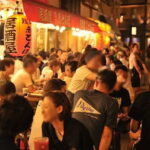
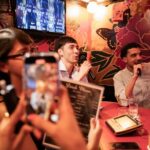
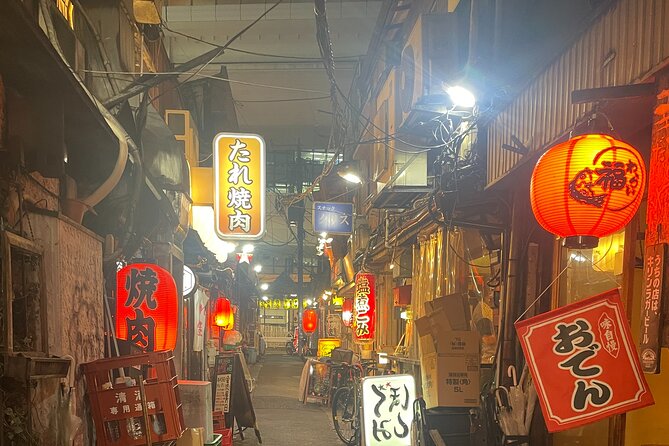
Lanterns beat busloads of tourists. This Sangenjaya night walk feels like a small-town Tokyo, with retro bars, shrines, and local-photo stops just a couple train stops from Shibuya. I love the start on Suzuran Street, where you settle into a cozy izakaya for grilled yakitori and choose a beer, highball, or non-alcoholic drink.
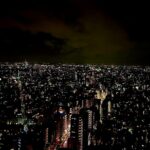
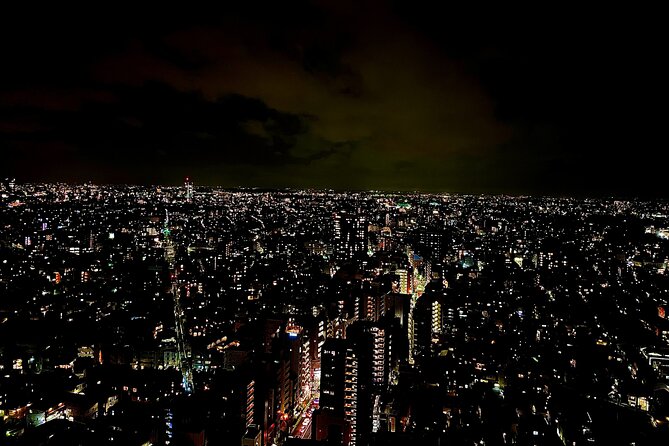
And when night falls, the view does the talking. My favorite moment is the stop at Carrot Tower for a free observation deck and a 360-degree sweep of city lights from Shibuya toward Tokyo. The trade-off: this is food-and-nightlife paced, with lots of short alley walking and multiple small eateries, so if you want quiet, slow sightseeing, you may find the tempo a bit much.
In This Review
- Key Things I’d Bookmark Before You Go
- Sangenjaya At Night: Why This Feels Local Fast
- Price and Value: What You Really Get for $123.57
- Meeting at Freshness Burger Sangenjaya: Starting With Clear Coordinates
- Hiro Leads the Way: The Local-Friend Energy You’ll Feel
- Stop 1: Suzuran Street Izakaya and the Yakitori Start
- Stop 2: The Gorilla Building Photo Moment
- Stop 3: Taishido Hachiman Shrine for a Quiet Pause
- Stop 4: Chazawa-dori Dinner and the All-You-Can-Drink Plan
- Stop 5: Carrot Tower’s Free 360° Night View
- Stop 6: Sankaku Chitai Triangle District and the Final Bar
- Who This Sangenjaya Walk Is Best For (and Who Should Skip)
- Small but Important Practical Tips
- Should You Book This Sangenjaya Food and Culture Walk?
- FAQ
- How long is the Shibuya: Local Food & Culture Walk in Sangenjaya District?
- Where is the tour starting point and where does it end?
- What is included in the tour price?
- What dishes and drinks should I expect?
- Is the tour a small group?
- Are there admission fees for the stops like the Gorilla Building, shrine, or tower?
- Does the tour use a mobile ticket?
- What’s not included?
- Can I get a full refund if I cancel?
Key Things I’d Bookmark Before You Go
- Sangenjaya, not Shibuya: a local neighborhood vibe with retro bars and small izakayas
- 13 Japanese dishes across 3 eateries: you’re not just nibbling, you’re eating
- All-you-can-drink dinner plan at Chazawa-dori for an easy, no-planning night
- Gorilla Building + a shrine stop: playful photos, then a calm breather
- Free 360° view from Carrot Tower to orient you fast in the dark
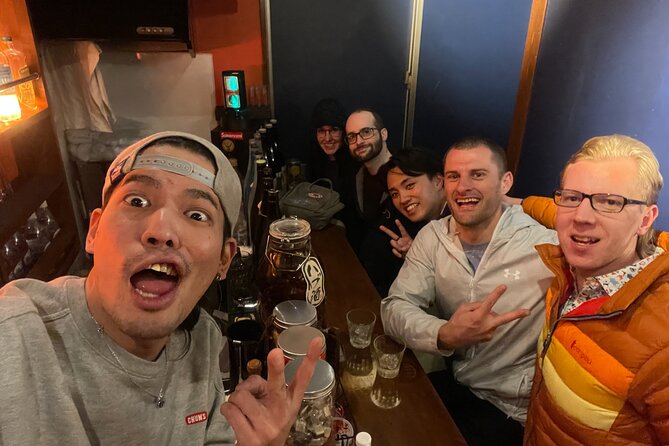
- Small group (max 4) with a guide named Hiro who’s friendly and easy to talk with
Sangenjaya At Night: Why This Feels Local Fast
Tokyo’s big neighborhoods can be a lot. Shibuya is famous for a reason, but crowds come with it. Sangenjaya is the better “after-work Tokyo” answer. You get a slice of the real nighttime routine: lantern-lit lanes, tiny izakayas, and even a shrine tucked into the mix.
What makes this walk work is the pacing. You start with the food mood, take breaks for quick landmarks (like the Gorilla Building), and then land in the triangle alley bar area at the end. It’s designed to keep you moving without racing, which matters when the streets get narrower and the lights get dimmer.
This is also ideal if you don’t want to stand in front of the usual tourist cameras. The Gorilla Building is the kind of weird Tokyo detail that locals smile about, not something you’d stumble onto by accident unless you were intentionally wandering.
You can also read our reviews of more tours and experiences in Tokyo.


Price and Value: What You Really Get for $123.57
At $123.57 per person for about 4 hours, the cost looks reasonable once you map it to what’s included. You’re paying for three big things:
- A professional expert guide (and a small group, max 4)
- Multiple food stops, including 13 Japanese dishes across 3 eateries
- Drinks: two complimentary drinks plus an all-you-can-drink plan at the main dinner stop
That’s the main value story: you’re not relying on guessing where to eat or what to order. Instead, you’re being guided through a mini food circuit—traditional street-stall style, a classic izakaya meal, and a final atmospheric bar stop.
Could you do it on your own? Sure. But doing it well is the trick. Ordering in tiny izakayas without local context can be awkward, and you might miss the places where the vibe is the point. This tour removes most of that guesswork and replaces it with a smoother night.
Meeting at Freshness Burger Sangenjaya: Starting With Clear Coordinates
The meetup point is practical and easy to navigate: FRESHNESS BURGER Sangenjaya, in the carrot tower area (Carrot Tower North Building, 1st floor). The tour uses a mobile ticket, so you’re not fumbling with paper at night.
In real life, meeting points can make or break a group tour. Here, it’s close to a major landmark that matches the later stop at Carrot Tower. That helps your brain connect the route as the night goes on. You’ll know what direction you’re headed in, instead of just following down random streets.
Also, the group size is small. With a maximum of 4 travelers, you’re less likely to feel lost in a crowd and more likely to actually talk with the guide.
Hiro Leads the Way: The Local-Friend Energy You’ll Feel
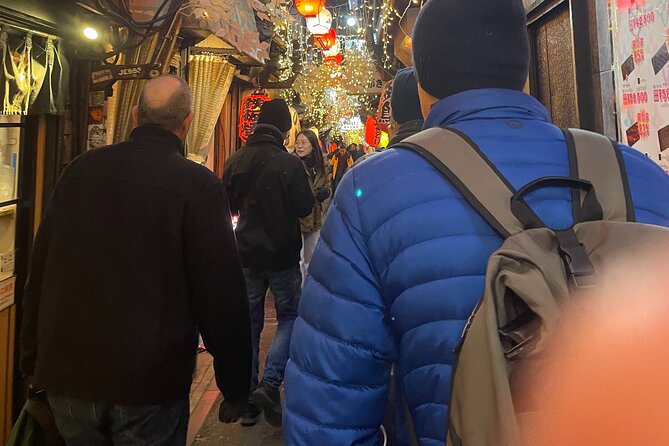
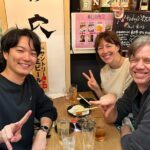
A lot of “food tours” are just logistics with a microphone. This one leans more personal. The guide Hiro is described as welcoming and friendly, the kind of person who makes it easy to talk. That matters because izakayas run on social comfort: you’re eating, ordering, and sharing the space with strangers who aren’t really performing for tourists.
When the group is small and the guide is comfortable, you get a more natural flow. You’ll notice it in how the night is paced between stops—enough structure to keep you moving, but not so rigid that you feel herded.
Stop 1: Suzuran Street Izakaya and the Yakitori Start
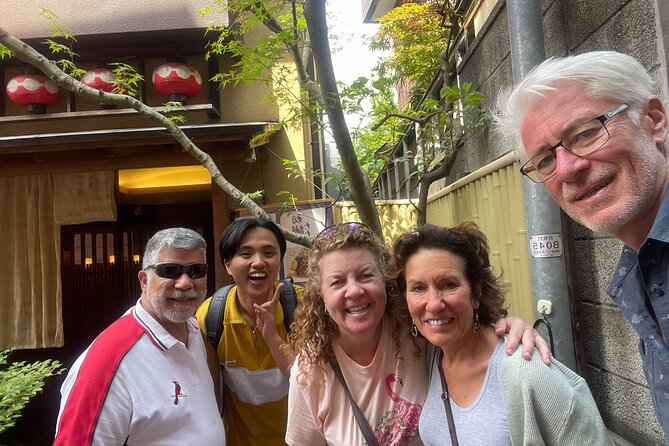
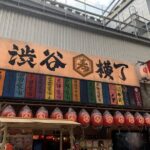
Your evening begins on すずらん通り (Suzuran Street), a lantern-lit alley known for old Tokyo charm. The vibe here is the classic izakaya intro: warm lighting, small-table energy, and a menu that makes you want to order without thinking too hard.
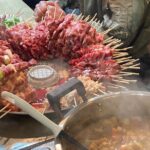
You’ll start with freshly grilled yakitori—juicy chicken skewers—and you can choose a beer, highball, or a non-alcoholic drink. That non-alcoholic option is a big plus if you’re not drinking, or if you’d rather keep your night crisp.
Why this first stop matters: it turns the whole neighborhood into a “you’re allowed to relax now” setting. Once you’ve eaten and settled, the later shrine stop and the final alley bars feel like part of the same story instead of random sightseeing.
Practical tip: wear shoes you can walk in for a few hours. The lantern alleys are charming, but the routes into and out of spots are still city sidewalks.


Stop 2: The Gorilla Building Photo Moment
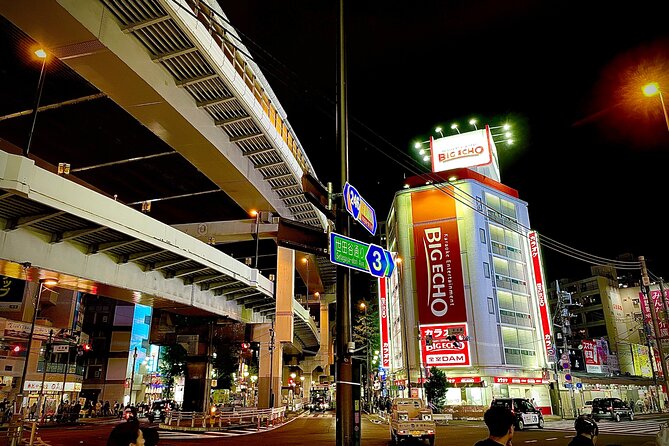
Next up is the Sangenjaya Gorilla Building—a quirky local landmark with a giant gorilla climbing the facade. It’s a fast stop (about 10 minutes), but it’s the kind of photo you’ll actually remember later.
This is also a useful transition. After the izakaya start, you’re nudged outdoors for fresh air and a quick visual landmark. You get a sense of the neighborhood identity, and you’re not just shuffling between restaurants.
Even if you’re not a big photo person, the Gorilla Building helps you build mental geography. In Tokyo, that’s valuable. Streets can look similar when you’re moving at night.
Stop 3: Taishido Hachiman Shrine for a Quiet Pause
Then you shift gears to Taishido Hachiman Shrine (about 15 minutes). It’s small, peaceful, and tied to local protection. The shrine was originally established in the 17th century, and the focus is calm rather than spectacle.
This stop works because it resets the senses. After food and photos, you get a break from neon and chatter. You’ll also get a reminder that Tokyo neighborhoods aren’t separated into “tourist zones” and “real life.” A shrine can be close to a bar street.
Don’t expect it to be huge. The value here is the contrast and the pause, not the monument size.
Stop 4: Chazawa-dori Dinner and the All-You-Can-Drink Plan
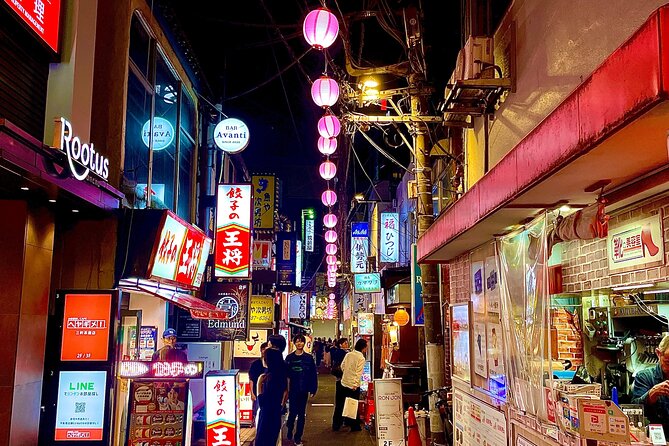
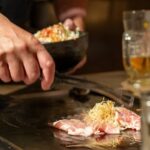
For dinner, you head to Chazawa-dori (Chazawa Street), one of Sangenjaya’s main roads where the food scene clusters. This is the longest meal stretch (about 1 hour) and it’s built around an izakaya setup with an all-you-can-drink plan.
What you can expect to eat:
- karaage
- sashimi
- grilled fish
- edamame
And across the overall tour, you’re tasting 13 Japanese dishes at 3 eateries. So yes, it’s a real dinner, not a “one skewer and a story” situation.
A note on comfort: with 13 dishes, pace yourself. It’s tempting to push through everything quickly, but the best move is to eat at a steady rhythm and save room for the variety.
Why I like this structure: it takes the pressure off ordering. You’re guided through dishes that cover both snacky and proper meal flavors, and the drink plan keeps you from having to track what to get next.
Stop 5: Carrot Tower’s Free 360° Night View
After dinner, you get one of the most useful stops on any Tokyo night itinerary: Carrot Tower. The observation deck is free, and the view is described as 360 degrees—city lights stretching from Shibuya toward Tokyo.
This is more than a nice photo. It helps you understand where you are in the city. When you later wander the narrow bar alleys of the Sankaku area, you’ll feel less like you’re in a maze and more like you’re moving through a mapped grid.
If your Tokyo plans include other neighborhoods, this kind of panoramic orientation helps you plan the next day too. You get a mental picture of distances and direction.
Stop 6: Sankaku Chitai Triangle District and the Final Bar
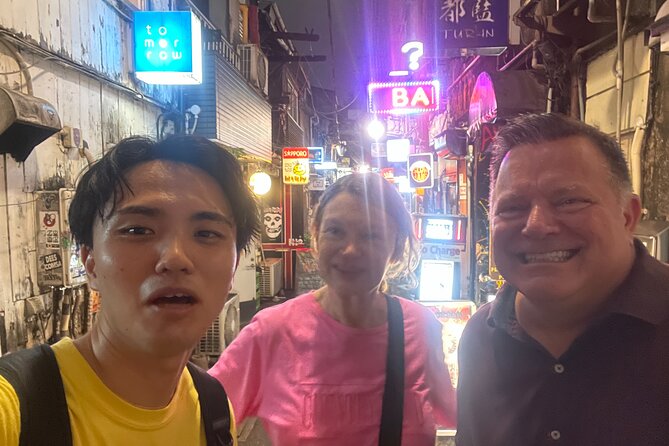
The tour ends in Sangenjaya Sankaku Chitai, the triangle district—an alley maze filled with tiny bars, neon lights, and a retro nightlife feel. It’s described as having an underground vibe and a strong local following.
You’ll spend about 1 hour here, finishing at a bar that’s a short walk (about 2 minutes) from Sangenjaya Station. That’s practical. You’re not ending far from transit when you’re already tired and full.
This final stretch is where you get the “stay out longer than planned” feeling. The alleys are the point. You’ll see small bar fronts, quick-lit signs, and the kind of casual street rhythm that makes Tokyo nights feel different from day sightseeing.
Who This Sangenjaya Walk Is Best For (and Who Should Skip)
This tour is a good fit if:
- you want a Tokyo izakaya night that feels local
- you like trying multiple small dishes without researching each place
- you enjoy photo stops and a calm shrine pause
- you prefer a small group and a guide who chats easily
It may not be your best match if:
- you want quiet, museum-style pacing
- you dislike walking in narrow alley streets
- you get overwhelmed by eating a lot in a few hours (you will eat across 13 dishes)
If you’re a first-timer in Tokyo but tired of the same crowd magnets, this is a smart middle path: local neighborhood nightlife without losing your bearings.
Small but Important Practical Tips
- Go easy on heavy snacks earlier. The dinner portion includes multiple courses worth of dishes across the night.
- Bring comfy shoes. The charm is in the alleys and lanes.
- If you don’t drink alcohol, you’re not stuck. The early stop includes non-alcoholic choices, and the drink setup is optional in practice.
- Use the view to reset your direction. After Carrot Tower, you’ll walk through Sankaku Chitai with better orientation.
Should You Book This Sangenjaya Food and Culture Walk?
I’d book it if you want Tokyo nightlife that feels like it belongs to the neighborhood, not the internet. The biggest reasons are simple: Hiro’s friendly, local-friend guidance, the variety of food (13 dishes across 3 eateries), and the combination of street-level eating with a free 360° night view.
I’d skip it if your ideal evening is slower and quieter, or if you don’t want a tour built around food and bars. For everyone else, it’s one of the more efficient ways to experience the “real Tokyo night” feeling—without getting lost or eating in the wrong places.
FAQ
How long is the Shibuya: Local Food & Culture Walk in Sangenjaya District?
It lasts about 4 hours.
Where is the tour starting point and where does it end?
It starts at FRESHNESS BURGER Sangenjaya (Carrot Tower North Building, 1st floor). It ends in Sangenjaya Sankaku Chitai, at a bar about a 2-minute walk from Sangenjaya Station.
What is included in the tour price?
You get a professional expert guide, city walking, 2 complimentary drinks (alcohol and non-alcohol), and 13 Japanese dishes at 3 eateries, including a street stall, an izakaya with all-you-can-drink, and a bar.
What dishes and drinks should I expect?
You’ll have dishes such as yakitori (freshly grilled), karaage, sashimi, grilled fish, and edamame, plus a drinks plan that includes a choice of beer/highball/non-alcoholic at the start and an all-you-can-drink plan for dinner.
Is the tour a small group?
Yes. The maximum group size is 4 travelers.
Are there admission fees for the stops like the Gorilla Building, shrine, or tower?
The stops listed in the itinerary show admission ticket free.
Does the tour use a mobile ticket?
Yes, the experience includes a mobile ticket.
What’s not included?
Gratuity is not included (optional).
Can I get a full refund if I cancel?
Yes. Free cancellation is available up to 24 hours before the experience start time for a full refund.