REVIEW · TAKAYAMA
Ghost Stories and Nightlife Tour of Takayama (Private Tour – Price per Group)
Book on Viator →Operated by Will's Hida Takayama Tours · Bookable on Viator
Night gets poetic in Takayama when the shops close and the streets go quiet, and this private tour leans into that mood with ghost stories and evening history. I like that it’s built around three specific old-town areas—so you’re not just walking in the dark for the sake of it—and you end near dinner and drinks in Asahimachi.
I also like the practical side: it’s a 2-hour private group (up to 4), stroller and wheelchair accessible, and you’ll get a simple mobile ticket for smooth entry. One thing to think about: if you’re expecting full-on horror movie scares, the tone can feel more “spooky tales and folklore” than scream-at-the-dark.
In This Review
- Key highlights worth planning around
- Why Takayama at Night Feels Personal (Not Just Spooky)
- Price and Logistics for a Private Night Tour in Takayama
- Stop 1: Kamisannomachi’s Quiet Old Town at Night
- Stop 2: Takayama Jinya’s Back-Side History Stories
- Stop 3: Suehiromachi Games, Archery, and Night Fun
- Ending in Asahimachi: The Easiest Place to Continue Your Evening
- How Spooky Are the Stories, Really?
- The Value Pitch: What Makes This Tour Worth It?
- Who This Night Tour Is Best For
- Should You Book This Ghost Stories and Nightlife Tour of Takayama?
- FAQ
- Where does the Ghost Stories and Nightlife Tour of Takayama start and end?
- What time does the tour run?
- How long is the tour?
- Is this a private tour?
- How many people can be in a group?
- Are tickets included on a phone or mobile device?
- What are the main stops during the tour?
- Is dinner or alcohol included?
- Are there games or activities during the tour?
- What if the weather is bad?
- What is the cancellation window?
Key highlights worth planning around
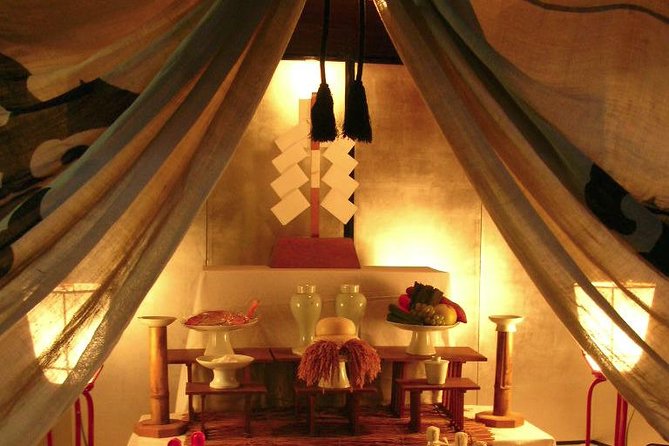
- Old-town quiet time in Kamisannomachi, when the character of the streets changes after dark
- Takayama Jinya at night, using the back side for an unusual-history feel even though it’s closed
- Games in Suehiromachi, plus chances to test skills like archery
- A calm private pace for your group only, with a guide who keeps you moving safely
- Finish in Asahimachi, where bars and restaurants are close and you can keep the evening going
Why Takayama at Night Feels Personal (Not Just Spooky)
Takayama has a way of slowing down at night. During the day, you’re sharing the streets with morning walkers and afternoon shoppers. After dark, the rhythm shifts: fewer people, more silence, and more time to notice details you’d normally miss—doorways, alley turns, lantern-light, and the way old buildings sit when they aren’t being photographed every five seconds.
This tour is designed for that evening shift. You start in the area around Takayama Jinya, then work through old neighborhoods where the atmosphere is part of the story. The ghost component isn’t random. It’s tied to the places you pass, with your guide using the town itself as a storytelling tool. That’s why it feels more like a guided walk with context than a generic “haunted tour.”
You’ll also get a nightlife angle without turning the whole night into a bar crawl. The plan ends in Asahimachi, where you can choose what you want next. So you get the spooky-and-historical part in a focused 2-hour package, then you stay in control of the rest of your evening.
Price and Logistics for a Private Night Tour in Takayama
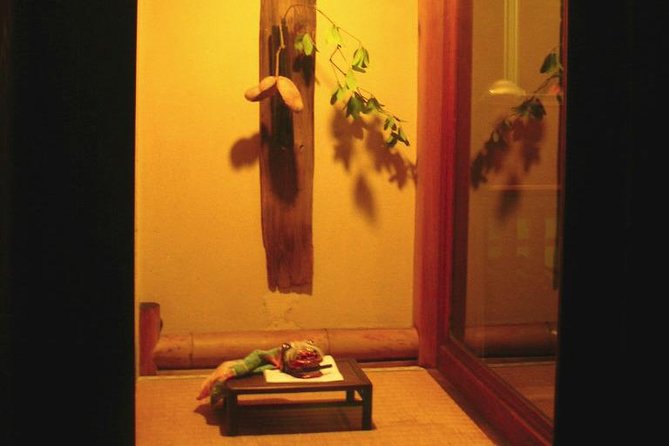
The price is $110.56 per group, up to 4 people. That matters because you can treat it like a shared experience rather than a per-person fee. If you go with a group of four, the math comes out to about $27.64 each for the guide-led evening. Even if you’re two people, it often still feels reasonable compared with paying separately for a guided evening activity.
It’s also private, so you’re not stuck with a mismatched pace. Your guide can slow down for questions, adjust for your group, and keep the route comfortable—especially helpful at night when you’re in older, narrower streets.
Timing is another practical detail. The tour runs in the 6:00pm–8:00pm daily window, and the listed start time is 7:00pm. Either way, expect a true evening stroll. Plan on being ready near the meeting point on time, since the walk is paced around the changing mood of the town as shops close.
For tickets, you use a mobile ticket. That’s useful in Japan, where last-minute paper tickets can be a hassle. And if you need it, the tour is stroller and wheelchair accessible, with service animals allowed and the meeting area near public transportation.
Weather counts here too. The experience requires good weather, so if it gets canceled due to rain or poor conditions, you’ll be offered a different date or a full refund. If you’re traveling during a rainy season week, I’d keep your schedule flexible.
Stop 1: Kamisannomachi’s Quiet Old Town at Night
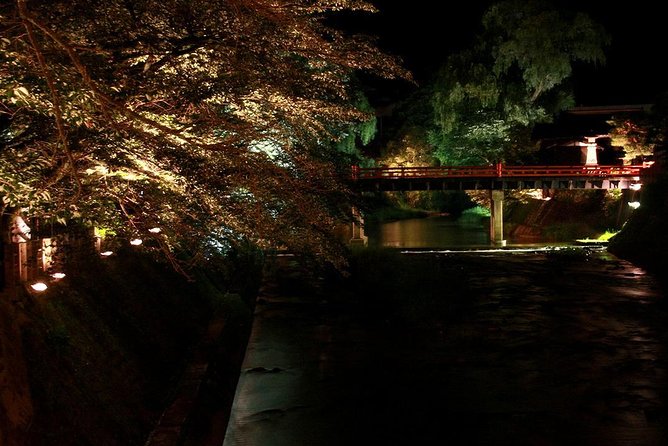
Your first leg takes you to Kamisannomachi, a scenic stretch of old-town streets that feels very different after dark. This is one of the best kinds of early-tour stops because it immediately sets the tone: calm, quieter, and slow enough that the guide’s stories can land.
You’ll spend about 30 minutes here, and admission for this part is free. The goal isn’t to rush through shops that are already closing; it’s to let the neighborhood show its nighttime side. In practical terms, this is also where you can settle into the walk—catch your bearings, get comfortable with the group pace, and start noticing the architectural rhythm of Takayama’s older streets.
If you’re the kind of person who enjoys atmosphere, this is the moment you’ll remember. It’s not a “look at this landmark” stop as much as a “feel the town change around you” stop.
Potential drawback: because the neighborhood is calmer and the time is short, you’ll want to pay attention early. If you wander behind to take photos nonstop, you may miss the guide’s initial story setup, which is the way the tour builds momentum.
Stop 2: Takayama Jinya’s Back-Side History Stories
Next up is Takayama Jinya, the old government house area. You won’t be entering the building in the normal way at night—it’s closed—but you’ll still get access from the back side to learn some unusual history.
This is about 20 minutes. Admission here is also free, which helps you feel like you’re getting the story value without extra ticket costs layered on top.
Why this stop works: government buildings tend to have a different kind of weight in old towns. They’re not just “pretty architecture.” They’re tied to power, rules, and everyday life—then your guide adds the twist of local, strange, or unexpected details. Even if you’re not a hardcore history person, these kinds of stories make the place feel alive.
Also, the nighttime approach changes the feel. Going around the back side gives you a different view than typical daytime sightseeing. It’s a subtle difference, but it makes the stop feel intentional rather than just a dark version of a daytime photo stop.
If you’re sensitive to crowd noise or prefer quieter storytelling moments, this fits well. It’s a strong middle stop that balances spooky mood with place-based facts.
Stop 3: Suehiromachi Games, Archery, and Night Fun
Then the tour moves to Suehiromachi, where the evening energy ramps up. You’ll spend about 45 minutes here, and this is where the tour shifts from pure storytelling to hands-on fun.
You’ll try games in the part of town that opens up at night. The tour overview also mentions an archery range, so this is the area where you may test your skills rather than just watch. Even if you’re not great at archery (most people aren’t), it’s usually the kind of activity that turns the evening lighter after ghost stories.
This is also where optional extras can appear. The overall experience doesn’t include dinner, alcoholic beverages, or optional carnival games. So if you see add-on game options, treat them as a chance to spend extra if you want—not something you’re required to pay for to enjoy the tour.
A realistic consideration: because this section includes games and activity, you might get a bit less “story time per minute” than in the earlier stops. If your main goal is the scariest tales possible, keep expectations flexible. If your main goal is an after-dark Takayama experience that feels like a local night out, this portion delivers.
Ending in Asahimachi: The Easiest Place to Continue Your Evening
The tour finishes in Asahimachi, an area full of bars and restaurants. The guide ends there and introduces you to some good places to spend the rest of your evening.
This ending is smart for two reasons. First, it keeps the tour compact and prevents the night from turning into “now you figure out where to eat.” Second, it puts you in the thick of dining options without forcing you into one specific restaurant chosen in advance.
Drinks and food aren’t included, so you’ll be ordering on your own after the tour. But the guide can help you get started—ordering support and suggestions—so you’re not stuck translating menus right after a spooky, energetic walk.
If you want a low-stress plan, this is perfect. You can stay out for a quick drink, find a simple dinner, or even continue with another casual stop nearby. You’re not ending miles from everything, and you’re not finishing the tour right in the quietest, least-helpful stretch of town.
How Spooky Are the Stories, Really?
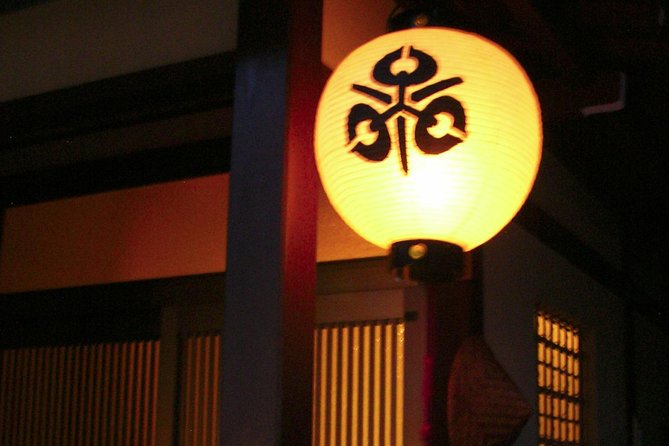
This is the one part where you should match the tour to your mood.
You’ll hear ghost stories and spooky tales, but the tone can lean more toward folklore and “spooky atmosphere” than guaranteed jump-scare horror. One feedback theme was that the walk is enjoyable, but the stories weren’t always as scary as hoped. That doesn’t mean it’s not spooky—it means the tour likely aims for creepy-calm, not adrenaline.
For many people, that’s a good fit. It lets you enjoy the places, listen closely, and keep the night comfortable. If you’re traveling with kids, or you want something atmospheric rather than intense, this style tends to work well.
On the flip side, if your personal definition of a ghost tour requires maximum scariness, you might want to treat this as a charming evening with folklore instead of a horror experience. If your goal is to get a guided old-town night in Takayama with stories and fun, you’ll probably feel satisfied.
The Value Pitch: What Makes This Tour Worth It?
A good night tour has to do two things: it must justify the time you’re spending walking at night, and it must make the city feel more understandable afterward. This one does both.
You walk through specific areas—Kamisannomachi, Takayama Jinya, Suehiromachi—and the route choices make sense for an evening. You get a quiet opening, a structured historical stop, then interactive nightlife fun. It’s paced so you’re not just drifting.
The private format also adds value. For couples, it’s a low-effort date idea: you get guided conversation, not just a silent stroll. For small groups, it’s a way to share an evening without coordinating separate plans. And since it’s up to 4 people per group, it’s flexible for friends who like the same kind of offbeat fun.
Also, free entry is built into the stops where you’d expect ticket costs to show up. You’re not paying for multiple attractions on top of the tour fee. You’re paying for the guide-led experience and the nighttime route that ties it all together.
If you’re budgeting, do the math based on group size. It’s easiest to feel like a strong value when you’re splitting the group cost with a couple people.
Who This Night Tour Is Best For
This experience fits well if you want:
- A guided evening in Takayama that avoids the daytime crowds
- Ghost stories tied to real places, not generic scares
- A mix of walking, historical context, and light games
- A finish in an area where you can immediately eat or grab a drink
It’s also a good match for people who want accessibility-friendly touring. Stroller and wheelchair access are supported, which means the evening won’t automatically become a “only if you can walk fast” plan.
If you have zero interest in stories and prefer straight-up nightlife, you might not love it as much. It’s more about the after-dark atmosphere and guided tales, with nightlife as the handoff at the end.
Should You Book This Ghost Stories and Nightlife Tour of Takayama?
If you’re planning your Takayama trip around evening experiences, I think this is worth booking when you want a guided, compact, after-dark route with built-in entertainment. The biggest wins are the quiet old-town mood at the start and the easy landing in Asahimachi at the end, so you don’t lose your momentum once the tour is done.
Book it if you like:
- gentle spooky stories and folklore style history
- a private pace that keeps things comfortable
- hands-on fun like games and possibly archery
Skip it or rethink your expectations if you’re chasing only the scariest ghost content possible. This is more about atmosphere and local storytelling than fear-for-fear’s-sake.
FAQ
Where does the Ghost Stories and Nightlife Tour of Takayama start and end?
It meets at Takayama Jinya and ends in Asahimachi, an area with bars and restaurants.
What time does the tour run?
The tour operates daily from 6:00pm to 8:00pm, and the listed start time is 7:00pm.
How long is the tour?
It lasts about 2 hours.
Is this a private tour?
Yes. It’s private, and only your group participates.
How many people can be in a group?
The price is per group for up to 4 people.
Are tickets included on a phone or mobile device?
Yes, the tour uses a mobile ticket.
What are the main stops during the tour?
You’ll visit Kamisannomachi, Takayama Jinya, and Suehiromachi, then finish in Asahimachi.
Is dinner or alcohol included?
No. Dinner and alcoholic beverages are not included. Drinks, if you stop for them, are at your own expense.
Are there games or activities during the tour?
You’ll try games in Suehiromachi, and the overview also mentions testing your skills at an archery range.
What if the weather is bad?
The experience requires good weather. If it’s canceled due to poor weather, you’ll be offered a different date or a full refund.
What is the cancellation window?
Free cancellation is available up to 24 hours in advance for a full refund. If you cancel less than 24 hours before the start time, the amount paid is not refunded.